
Fatah Research Hub by Maryam Tree Center
Advancing Mental Health Equity Through Community-Engaged Research
Fatah Research Hub by Maryam Tree Center
Fatah Research Hub by Maryam Tree Center aim to advance psychological science, research, education, and systems-level inquiry into how institutional conditions shape mental health and human well-being. The Center focuses on structural inequities across healthcare, social systems, and correctional environments, examining how policies, practices, and access to essential resources influence trauma, psychological distress, and broader psychological outcomes. Our Center envisions a future in which psychological research directly informs how institutions, communities, and leaders understand and respond to mental health and human well-being. This vision recognizes mental health not only as an individual experience but as an outcome shaped by structural conditions, policy decisions, and access to care.
Guided by Islamic psychology, systems-level inquiry, and contemporary psychological science, the Center advances a framework in which mental, emotional, and spiritual well-being are studied in direct relation to the systems that govern daily life. These include healthcare systems, correctional systems, educational institutions, and broader social structures whose policies and resource decisions can either protect dignity or intensify trauma, exclusion, and chronic stress. The Center prioritizes the experiences of underserved populations, including Muslim communities, individuals affected by incarceration, and those navigating institutional neglect, as essential to advancing research on justice, resilience, and psychological well-being. The Center advances its mission through a structured, research-driven approach grounded in psychological science, Islamic psychology, and systems-level analysis. The Center produces applied research, translates findings into accessible formats, and engages in collaborative partnerships to ensure real-world relevance and impact. The Center recognizes that psychological well-being is shaped by structural conditions, including healthcare access, food insecurity, incarceration, social neglect, and institutional decision-making. Its work examines how policies, procedures, service gaps, and resource allocation influence trauma, chronic stress, emotional functioning, identity, and resilience. For grant-facing purposes, the Center prioritizes measurable outputs, including research briefs, institutional reports, educational materials, and collaborative initiatives designed to inform policy, institutional practice, and public understanding. This approach emphasizes methodological rigor, accessibility, and decision-relevant knowledge.
Guided by Islamic values, psychological science, and the principles of justice, responsibility, and human dignity, the Center is committed to producing research and educational resources that strengthen mental health literacy and support ethically grounded institutional change. Through this work, Maryam Tree Center contributes to a deeper understanding of how systemic conditions shape vulnerability, resilience, and long-term well-being. Islamic psychology serves as a foundational framework for Maryam Tree Center’s work. Psychological well-being is understood as a multidimensional process shaped by moral, spiritual, emotional, social, and environmental influences, including the institutional environments that structure daily life and determine access to care and support. The Center engages classical and contemporary Islamic scholarship, including the work of Ibn Taymiyyah, Ibn Sina, Ibn Arabi, and Ibn al-Qayyim, alongside modern psychological theories and research. This integration contributes faith-informed perspectives to broader psychological discourse while maintaining methodological rigor and a strong focus on structural determinants of well-being.
Regions of Focus: Atlanta, Georgia, District of Columbia, South Carolina, Northern Central Florida
Fatah Research Hub is currently building its research foundation. Our early work focuses on understanding the social and psychological issues that affect individuals, families, and communities. As our research develops, we will continue sharing selected writings, reports, and educational publications with the public.

Our Islamic Foundations & Free Qur’an Access
Maryam Tree Center’s founding commitment to faith, knowledge, and service continues through Fatah Research Hub. Rooted in Islamic principles of compassion, justice, and human dignity, this commitment informs our research and our efforts to make spiritual learning accessible. Alongside psychological inquiry, we recognize the importance of creating opportunities for reflection, understanding, and connection with the Qur’an. We welcome Qur’an requests from people of all faiths and backgrounds, whether exploring Islam for the first time or deepening an existing connection. Requests may be made for the Qur’an in Arabic, translations of its meanings in English, Spanish, or Mandarin Chinese, or a bilingual English–Arabic edition. To request a copy, use the contact box and include your preferred language or edition. We will follow up with availability and next steps.
Our Research and Impact

Research, Education & Public Knowledge Dissemination
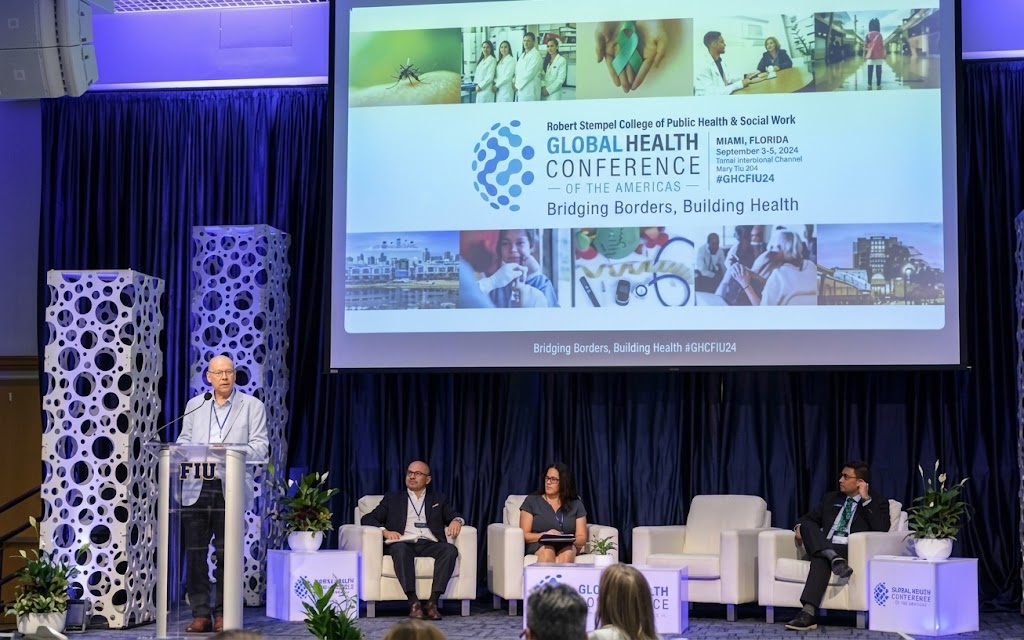
Fatah Research Hub at Maryam Tree Center produces original, research-informed public scholarship that translates psychological science, Islamic psychology, behavioral health research, and systems-level analysis into clear education for communities, institutions, and public audiences. Under the executive leadership of Darya Bailey, Executive Director of Maryam Tree Center, the Hub develops research briefs, white papers, educational campaigns, public awareness materials, downloadable guides, panel discussions, community education resources, and issue-focused publications. This work examines how healthcare access, autism identification, correctional health, reentry barriers, systemic inequalities, and institutional conditions shape mental health, behavior, family stability, and human well-being. Our purpose is to make complex research understandable, usable, and ethically grounded. Through public education and information dissemination, we help readers, organizations, and community leaders better understand the conditions that affect underserved populations and the pathways needed for dignity, prevention, access, and long-term well-being.
Healthcare Access & Autism Identification
We produce original, research-informed public scholarship on healthcare inequality, access to diagnosis, and mental health treatment. This initiative examines how socioeconomic conditions, institutional policies, and clinical practices influence diagnostic accuracy, treatment availability, and quality of care. Particular attention is given to underserved populations and the barriers that contribute to delayed diagnoses, unmet mental health needs, and unequal treatment outcomes. Through research briefs, educational publications, and analytical reports, we translate evidence into knowledge that informs clinical understanding, institutional decision-making, and more equitable access to care.

Correctional Health, Reentry & Systems-Level Reform
We produce original research-informed work on how healthcare access in correctional settings, reentry barriers, trauma exposure, institutional neglect, and limited mental health support shape behavior, family stability, and long-term well-being. Using a forensic psychology-informed and systems-level lens, this work examines the conditions affecting people who are incarcerated, formerly incarcerated, and connected to correctional systems through family or community life. Guided by Islamic psychology’s concern for human dignity, accountability, restoration, and justice, we translate research into public education that helps readers understand how gaps in care, delayed diagnosis, autism misidentification, substance misuse needs, and limited continuity of support affect underserved populations. Through research briefs, educational guides, public education materials, and community-centered reports, we support public awareness, ethical reform, and stronger pathways to care.
Personal Statement from the Executive Director:
As an African American Muslim woman of African and European descent, I carry the legacy of resilience, sacrifice, and progress. I am a descendant of enslaved ancestors from South Carolina who migrated to Washington, D.C., before the Civil Rights Act of 1965—ancestors whose strength lives on in every step I take toward justice, healing, and transformation. My life’s direction was forever changed through my study of Islam in the Middle East, where I came to understand the depth, beauty, and purpose of our faith. That knowledge awakened a deeper mission in me: to serve communities through the advancement of psychological science and Islamic psychology and the reform of healthcare systems that too often neglect the emotional, spiritual, and cultural realities of those they claim to serve.
Fatah Research Hub by Maryam Tree Center was established out of a sustained concern with systemic inequities in healthcare, education, and correctional systems and the ways these conditions shape mental health and human well being. The Hub’s work is grounded in the recognition that psychological distress must be understood not only at the level of the individual, but also in relation to the institutional structures that influence access, support, continuity, and outcome. Through research, knowledge translation, and public scholarship, Fatah Research Hub examines how these inequities intersect with trauma, resilience, and recovery across diverse populations. Guided by Islamic psychology and contemporary psychological science, the Hub contributes scholarship that keeps structural conditions and human dignity in clear analytical view.
This work is deeply personal. It is dedicated to my beloved Aunt Carol Corbett, who fought tirelessly in her battle with cancer. To my Uncle Tommy Massey, whose fight during the COVID-19 pandemic left a space in our hearts that can never be filled. To my mother, Angenette Monroe, a breast cancer survivor whose strength continues to inspire me. To my father, a retired Navy Lieutenant Commander and former Chief Medical Officer of Chicago Naval Medical Center, Lewis Monroe. To my grandfather, a Washington D.C. businessman and Charleston cement truck driver, Robert Massey. To my grandmother, Dorthy L. Massey, an Operating Room Registered Nurse whose compassion and dedication to healing continue to inspire my journey. To my great-grandfather, Oliver Massey, who lived in Ardmore Ward 1 during the Black Wall Street Massacre. To all my ancestors from South Carolina, whose faith and fortitude have shaped my path. And to my paternal grandmother, Dorothy Crump, whose legacy continues through every effort I make.
May this work bring benefit to many and be accepted as a small contribution toward justice, healing, and knowledge.
Sincerely
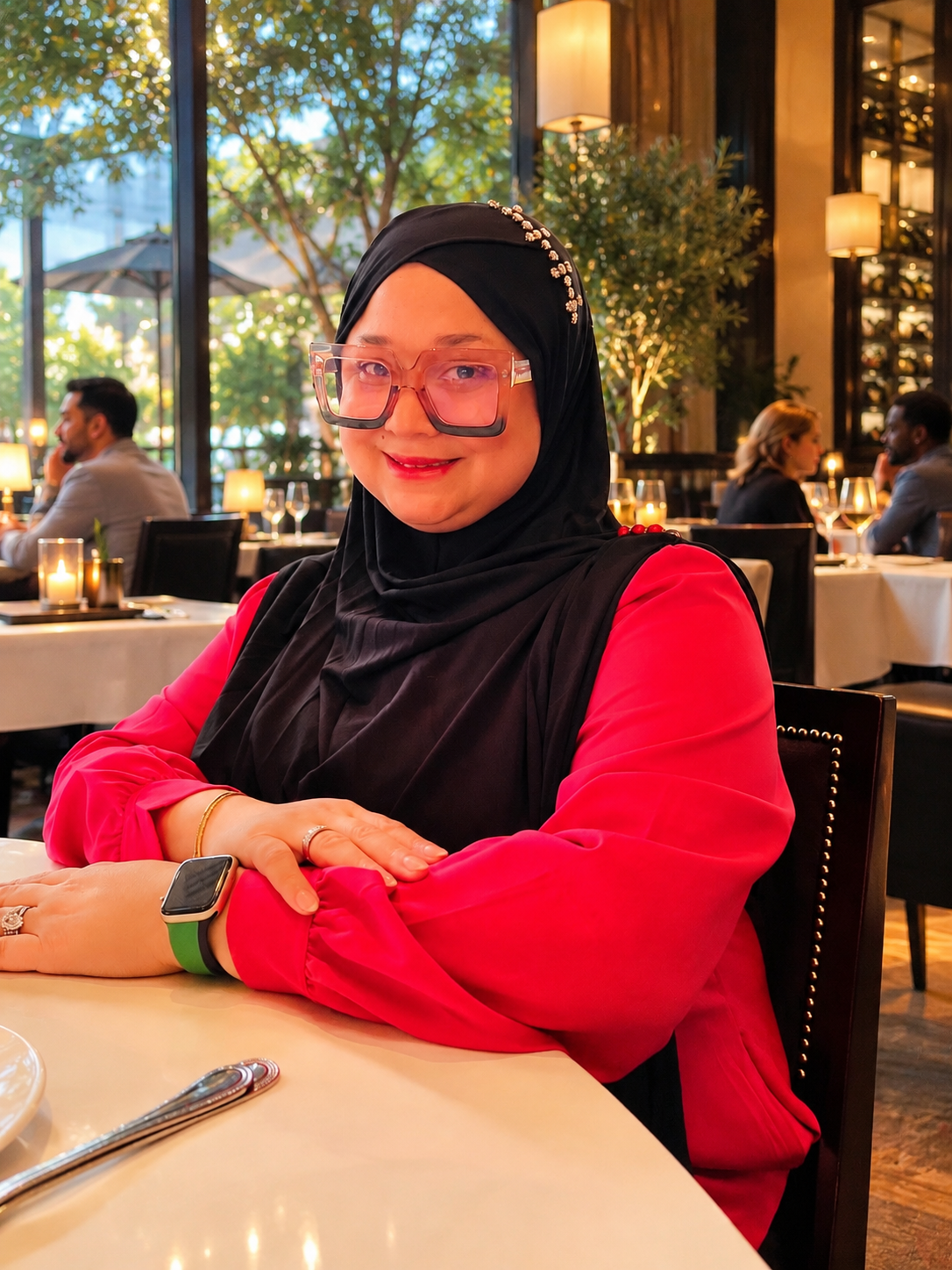
Darya Bailey, Executive Director at Maryam Tree Center – Founder, Fatah Research Hub
Fatah Research Hub is a research initiative of Maryam Tree Center. Our work is currently sustained through the time, care, income, and personal resources contributed by our leadership. As we continue building this research platform, donations are welcome and deeply appreciated. All contributions may be made through the Maryam Tree Center Donation Center by submitting an inquiry in the contact box below.
We also welcome opportunities to connect with individuals, organizations, and community partners who believe in the value of research, public health education, advancing psychological science, and thoughtful dialogue. To discuss sponsorship gifts, arrange a virtual corporate meeting, schedule an in-person meeting with the Founder and Executive Director, or learn more about our work, please contact us by mail, phone, email, or Zoom. We would be honored to hear from you.
Darya Bailey, Founder (Center)